

Frequently Asked Questions
Circumcision Mohel
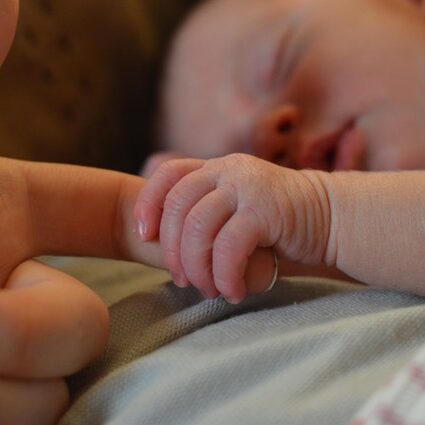
Frequently Asked Questions About Baby Circumcision
Choosing circumcision for your baby is an important decision, and it is natural to have questions about the procedure, preparation, consent and recovery.
Dr Martin Harris provides guidance to parents before their baby's circumcision and explains what to expect at each stage. This page answers common questions about Brit Milah, from arranging an appointment to understanding aftercare and follow-up.
Every baby is assessed individually, and parents receive specific advice relevant to their baby's circumstances. If you have a question that is not answered here, please contact Dr Harris for further information.
About Baby Circumcision
What is circumcision?
Circumcision is a surgical procedure in which the foreskin, the fold of skin covering the head of the penis, is removed. Brit Milah is the Jewish religious tradition of circumcision, usually performed when a baby boy is eight days old, provided he is medically suitable and the procedure can safely take place.
Parents should understand the procedure, its potential risks and the care required afterwards before deciding whether to proceed.
When should I book my baby's circumcision?
It is advisable to contact Dr Harris in good time to discuss your preferred date, the arrangements for the procedure and any questions you may have.
For a Brit Milah planned around the eighth day after birth, contact him as early as practicable. The timing must take account of the baby's health and suitability. If your baby is unwell or there is a medical concern, the procedure may need to be postponed.
Is every baby suitable for circumcision?
No. Your baby's medical history and physical suitability must be assessed before the procedure.
Please tell Dr Harris about any medical conditions, prematurity, current illness, previous unusual bleeding or bruising, relevant family history of bleeding disorders, or concerns about your baby's genital anatomy. You should also confirm whether your baby received vitamin K after birth and explain if it was declined, delayed, given orally or if you are unsure.
Further assessment or postponement may be necessary if a concern is identified.
Booking and Preparation
Will Dr Harris explain how to prepare my baby?
Yes. Dr Harris will provide preparation advice and explain what you need to do before the appointment. This includes relevant information about feeding, clothing, what to bring and what to expect on the day.
Please follow the individual instructions provided for your baby and ask questions if anything is unclear.
For more information, read our Preparation Guide.
Should I feed my baby before the procedure?
Follow the feeding advice provided by Dr Harris for your baby's appointment. Do not introduce fasting or change your baby's usual feeding routine unless specifically instructed to do so.
If your baby is feeding poorly, vomiting, has diarrhoea or appears unwell before the appointment, contact Dr Harris before travelling.
What should my baby wear?
Choose comfortable clothing that is easy to remove and put back on without unnecessary pressure around the nappy area.
You should also bring spare nappies, wipes and a change of clothing. Dr Harris will advise you if any additional items are required.
What should I bring to the appointment?
Bring the items requested by Dr Harris and any relevant information about your baby's health, medical history, medication or allergies.
Please tell him about any previous medical treatment, neonatal-unit admission, prematurity, jaundice, unusual bleeding or bruising, and any family history of bleeding disorders. It is also important to confirm your baby's vitamin K history.
Providing accurate information helps Dr Harris assess your baby's suitability and plan the procedure appropriately.
Can I stay with my baby during the appointment?
Parents can discuss the arrangements with Dr Harris beforehand. Your involvement during the consultation and procedure will depend on the circumstances and what is appropriate for your baby's care and safety on the day.
How long will the appointment take?
Please allow approximately 60–90 minutes for the overall appointment, although the time may vary.
This allows for assessment, discussion and written consent, application of topical local anaesthetic cream and time for it to take effect, the procedure itself, and observation or feeding and settling afterwards if needed.
The circumcision itself is considerably shorter than the full appointment.
The Circumcision Procedure
Does Dr Harris use local anaesthetic?
Dr Harris uses topical local anaesthetic cream to help reduce discomfort during the procedure. This approach does not involve injecting local anaesthetic with a needle.
The cream is intended to reduce discomfort, but it cannot guarantee that your baby will experience no pain. Dr Harris will explain the anaesthetic arrangements and what to expect.
Does Dr Harris use the Plastibell or ring method?
No. Dr Harris does not use the Plastibell or another ring device. He performs a surgical circumcision using his chosen technique.
The planned procedure and relevant wound-care arrangements should be explained to you before you provide consent.
How long does circumcision take?
The procedure itself is relatively brief, but the overall appointment takes longer because of the medical assessment, consent discussion, preparation, anaesthetic application and observation afterwards.
Dr Harris will explain the arrangements for your baby's appointment.
Is circumcision painful?
Circumcision can cause pain and discomfort. Topical local anaesthetic is used to help reduce discomfort, but babies may still cry or become unsettled during handling, positioning or the procedure.
Dr Harris will explain the measures used to support your baby's comfort and the advice you should follow after the procedure.
Consent and Medical Assessment
What is required before I can give consent?
Before the procedure, Dr Harris will discuss the proposed circumcision, the technique, expected recovery, aftercare, potential risks and complications, and any relevant alternatives.
You will have an opportunity to ask questions and consider the information before deciding whether to proceed. Written consent must be completed before the procedure begins.
Do both parents need to sign the consent form?
Yes. Our practice requires both parents to sign the written consent form before your baby's circumcision can proceed.
This is a requirement of Dr Harris's practice. Both parents should have an opportunity to understand the procedure, ask questions and consider the decision.
If there are circumstances affecting parental responsibility, a parent's availability or agreement, please discuss them with Dr Harris in advance. If consent is uncertain or disputed, the procedure will not proceed until the arrangements have been appropriately clarified.
For further information, please read our Consent Guide.
Can we change our minds after signing the consent form?
Yes. Consent must be voluntary. If you have concerns, are uncertain or decide not to proceed, tell Dr Harris before the procedure begins.
If either parent has unanswered questions or the required consent is not in place, the appointment may need to be postponed or cancelled.
Aftercare and Recovery
What happens after my baby's circumcision?
Before you leave, Dr Harris will explain how to care for your baby, what to expect during recovery and how to recognise potential problems.
You will receive individual aftercare instructions covering relevant aspects of wound care, nappy changes, feeding, comfort, pain relief and follow-up. Please follow those instructions rather than relying on general advice that may not apply to your baby's procedure.
Can my baby feed normally after circumcision?
In most cases, babies can continue their usual breast or bottle feeds, following any individual advice provided by Dr Harris.
Regular feeding and monitoring wet nappies are important during recovery. Seek medical advice if your baby feeds poorly, has noticeably fewer wet nappies or develops other concerning symptoms.
How long does healing take?
Healing takes place gradually over several weeks, and the appearance of the circumcision site can change as the skin recovers.
Some swelling, redness, bruising or a pale yellowish or cream-coloured healing layer may occur. However, appearance alone cannot determine whether a problem is present.
Dr Harris will explain what to expect following your baby's procedure. Seek advice if the area appears to be worsening, swelling or redness increases, or you are concerned about your baby's recovery.
Will Dr Harris examine my baby after the procedure?
Yes. Dr Harris routinely arranges a follow-up examination for every baby.
The examination provides an opportunity to assess the circumcision site, review healing, discuss any concerns and confirm the appropriate ongoing care. Dr Harris will explain the arrangements for your baby's review.
Our Aftercare Guide explains practical care at home, while our Follow-Up Guide describes the purpose of the examination and what happens if further assessment is needed.
Safety and Complications
Are there any complications associated with circumcision?
As with any surgical procedure, circumcision carries potential risks. These can include bleeding, infection, swelling, pain, wound-healing problems and an unsatisfactory cosmetic result. Other complications are possible.
Dr Harris will explain the relevant risks and discuss your baby's suitability before asking you to provide consent. Parents should understand the potential complications and the importance of following the aftercare instructions.
What warning signs should I look out for after circumcision?
Contact Dr Harris promptly if you are concerned about unexpected bleeding, increasing redness or swelling, unusual discharge, persistent distress, poor feeding or changes in your baby's usual pattern of wet nappies.
Some symptoms need urgent medical assessment. Seek urgent help if your baby has difficulty passing urine or develops a temperature of 38°C or higher while under three months old.
Heavy or uncontrolled bleeding, difficulty breathing, unresponsiveness, marked floppiness or a baby who appears seriously unwell requires emergency medical assistance. Call 999 or attend A&E as appropriate. Do not delay emergency care while trying to contact Dr Harris.
What should I do if I am worried about my baby's recovery?
Contact Dr Harris using the contact arrangements provided to you if you have questions about your baby's recovery or the aftercare instructions.
You should not wait for a planned follow-up examination if concerning symptoms develop. For urgent or emergency symptoms, seek appropriate medical care without delay.
Further Information and Guidance
We have prepared additional guides to help parents understand each stage of their baby's circumcision journey:
- Preparation Guide — information to help you prepare for the appointment.
- Consent Guide — understanding informed consent and the requirement for both parents to sign.
- Aftercare Guide — practical guidance about caring for your baby after circumcision.
- Follow-Up Guide — information about the routine examination and ongoing recovery.
If you have further questions or would like to discuss arranging your baby's circumcision, please contact Dr Martin Harris.
Call For Appointments
Available Mondays - Fridays
Working Hours : 09.00-18.00

Contact Doctor Harris
If you have any concerns whatsoever at any time please get in touch.